Top Causes of Underground Utility Damage
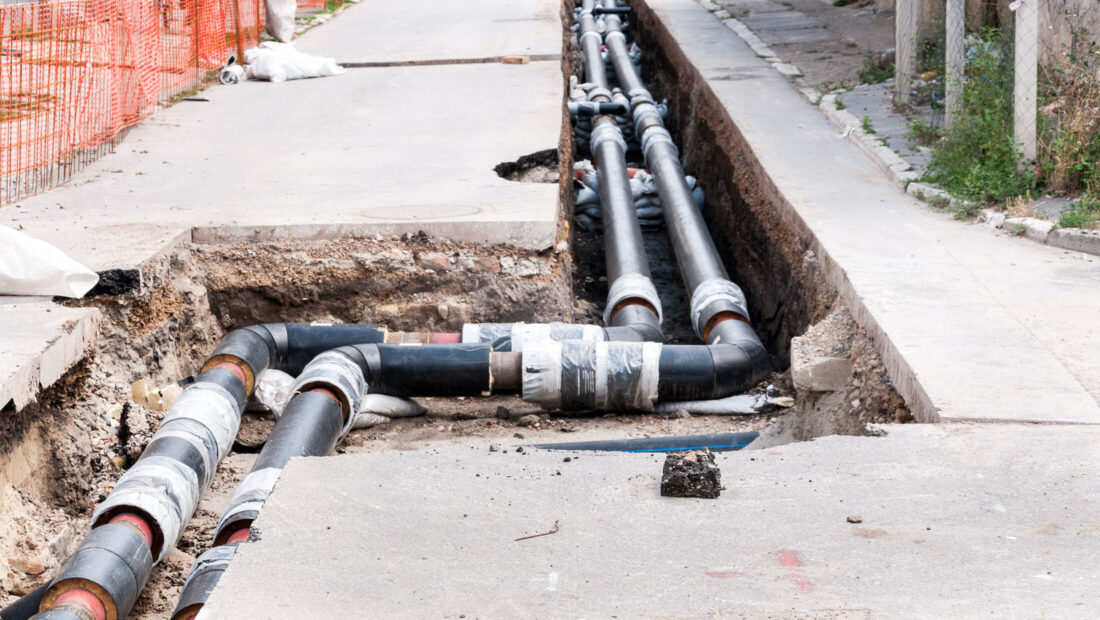
Every year, thousands of underground utilities are damaged during excavation work, leading to costly repairs, service interruptions, and safety risks. According to the Common Ground Alliance (CGA), there were 189,549 unique reported damages in 2023 in the U.S. alone, costing the economy billions of dollars. These incidents often result in serious consequences, such as gas leaks, water main breaks, and widespread power outages, disrupting communities and posing significant safety risks. These utilities are designed to withstand a range of environmental factors, but they aren’t indestructible. Understanding why these incidents happen is crucial for prevention. Vibrational, temperature and even chemical hazards can negatively impact their structural integrity over time.
Underground utility materials are chosen for their durability, but nothing lasts forever. The longer something is in the ground, the more time it has to be subject to routine wear and tear. The American Society of Civil Engineers (ASCE) notes that many water mains are over 50 years old, with some cast iron pipes dating back a century. Approximately 770,000 miles of pipe in the U.S. and Canada are over 50 years old, increasing the risk of failures.
This is part of the reason why it's so important to locate and mark existing utilities before beginning any digging project. Tools like ground-penetrating radar (GPR) and electromagnetic locators help detect pipes and cables buried underground, providing accurate data before excavation begins. For instance, in a large-scale city redevelopment project, GPR was instrumental in mapping aging utility lines, preventing potential disruptions and ensuring worker safety. These technologies not only help avoid accidental damage but also streamline project planning, making excavation safer and more efficient. Older utilities aren't as durable as more recent installations for a variety of reasons and are much more likely to fail.
Blockages are caused by obstructions. This can happen over time, as you see with boiler scale or fatty clogs building up on the inside of water pipes. It can also occur when objects like tree roots infiltrate a pipe.
One common cause is the intrusion of construction materials. This is another reason why utilities must be located and marked before any project can begin — all it takes is one misplaced pole to block a pipe and cause a major problem.
Erosion is what happens when an abrasive medium acts on a pipe or other conduit. This could be from the surrounding substrate or even from the contents of the pipe itself over time. Erosion occurs from erosive media, drops of fluid striking the pipe, microjets caused by tiny pits in the pipe's inner surface, or even just from flowing water.
The best defense against this is proper planning. The right materials, depth, and position will help prevent erosion damage. For instance, using high-density polyethylene (HDPE) pipes in high-flow areas has been shown to reduce erosion risks significantly.
Chemical corrosion happens when a material reacts with its surrounding environment. Picture a piece of metal exposed to the sea — over time, it corrodes and breaks down. While this situation can arise due to an unforeseen circumstance, like a flood or chemical spill, the biggest contributor is material incompatibility.
Every time an underground utility is buried, it should be viewed as a unique situation with its own challenges. Laying utilities for a small seaside community, for example, can call for a very different approach than for an inland city.
The materials used for the job must be compatible with their environment. They also need to be compatible with each other and whatever they'll be transporting. When planning an underground utility project, all of the pipes, gaskets, fittings, and sealants need to be able to play well together so they don't damage each other over time.
Sometimes utilities just get shaken a little too vigorously. This doesn't have to be from a major tectonic event, either — vibration from jackhammers, for example, can negatively affect the structural integrity of buried pipes. This is something that happens more often with rigid materials since they aren't able to flex and deform in response to that kind of stress.
This can be avoided by properly locating and marking these utilities and avoiding using vibrating equipment like jackhammers for large-scale projects. There are better options for breaking up old asphalt and concrete now, and they don't have the same potential to damage surrounding structures.
Imagine a pipe underground. It's freshly placed, and there are still a lot of gaps and air spaces in the surrounding substrate. Over time, these gaps get filled in and the ground settles. That pipe is no longer in its original position.
This is one of the most common causes of positional shifting. When a section of pipe suddenly isn't where it's supposed to be anymore, it creates a discontinuity. It might bend, crack, or even disconnect. This can happen because the original project didn't properly account for settling.
Changes in position also occur when something about the surrounding area changes. This could be an increase in load or even something like a flood or earthquake.
One key contributor to underground utility damage is damaged or defective materials. Pipes with hairline cracks, for example, aren't exactly going to improve with use. Burying an underground utility is a complex process with a lot of steps, and these need to be carefully followed to avoid damaging the materials.
Improper storage, poor securing during transport, and sloppy laying, backfilling, or compacting can all harm underground utilities before they're even used. The best way to avoid this is to be conscientious when it comes to properly storing, securing, inspecting, and handling materials during each stage of the job.
Excavation is one of the biggest threats to underground utilities. When crews dig without first checking for existing lines, they risk accidentally striking pipes or cables, which can cause immediate damage or create weak points that lead to failure over time. Even when utilities are properly marked, careless digging techniques can result in costly accidents.
One major cause of damage is using heavy machinery too close to marked utilities. Excavators, backhoes, and trenchers pose the greatest risk due to their size and power, which can create intense vibrations or sudden shifts in the surrounding soil. Best practices include maintaining a safe buffer zone around marked utilities, using manual digging tools or vacuum excavation when operating near buried lines, and assigning spotters to help guide heavy equipment operators to prevent accidental strikes.
Sometimes the damage isn’t caused by external forces but by a lack of proper information. Incomplete or outdated maps of underground utilities can lead to workers accidentally striking pipes or cables they didn’t know were there.
Advances in ground-penetrating radar and other detection technologies have made it easier to accurately map underground utilities. GPR works by emitting radio waves into the ground and detecting the signals that bounce back, creating a detailed image of what lies beneath the surface. For example, in urban development projects, GPR has been used to successfully trace aging water lines and electrical conduits, preventing costly disruptions and ensuring safer excavation.
Overall, the most common cause of underground utility issues is cutting corners during the planning or excavation process. Neglecting proper procedures, like thorough utility mapping, careful material selection, and adherence to safety guidelines, can lead to costly damage and dangerous situations. Taking the time to locate and mark existing utilities, thoroughly plan each project, carefully select durable materials, and ensure proper installation can significantly enhance the longevity of underground infrastructure. With the right practices in place, these damages can be minimized, protecting lives, property, and the environment.
POSTED: March 15, 2025
TAGS: Utility Construction