Mastering Utility Trenching: A Comprehensive Field Guide for Industry Professionals
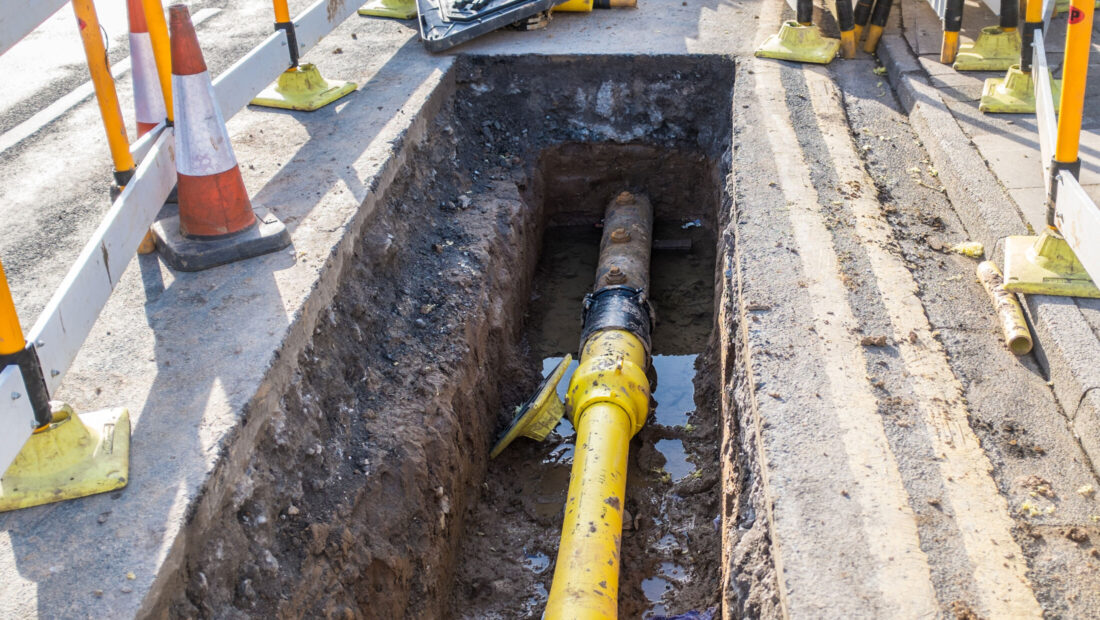
Trenching is foundational to the utility and asphalt industries, and it's anything but simple. Professionals in this field aren’t just moving earth—they’re managing risk, infrastructure, and timelines with precision. Whether you're laying down fiber optic cable in a busy downtown corridor or installing sewer lines in a new development, each trench must be engineered for performance, safety, and longevity.
This guide takes a deeper look into what it truly takes to dig trenches the right way—from soil evaluation and utility coordination to advanced trenching equipment and OSHA-compliant safety systems.
It's easy to call any hole in the ground a trench, but the term carries serious implications. According to the U.S. Occupational Safety and Health Administration (OSHA), a trench is a narrow underground excavation deeper than it is wide, not exceeding 15 feet in width at the base. That distinction matters because trenches present unique hazards, and OSHA’s trenching and excavation standards exist specifically to mitigate those risks.
Trenches are inherently unstable. Soil shifts. Water seeps in. Vibrations from traffic or nearby equipment can turn a secure excavation into a collapse hazard within seconds. That’s why proper trenching isn’t just a skill—it’s a science.
Before any equipment is fired up, a comprehensive soil analysis is essential. Soil is classified into four main types by OSHA: stable rock, Type A (cohesive soils like clay), Type B (silt, angular gravel), and Type C (granular soils like sand or loose gravel). Type C soil is the most unstable and the most likely to cause a fatal cave-in.
Moisture content also plays a critical role. Water-saturated clay can weigh nearly 3,000 pounds per cubic meter—enough to crush a worker instantly in the event of a trench collapse. Understanding these properties isn’t just for safety—it informs every aspect of trench design, from slope angle to shoring needs to the size and type of protective systems used.
For precise classification, use manual tests (like the ribbon test and thumb penetration test), but also bring in a geotechnical engineer for large or high-risk jobs. The stakes are too high to guess.
Utility trenching doesn't happen in a vacuum. Every site is a puzzle of pre-existing lines—gas, water, electric, telecom, and sewer—and each has the potential to spark disaster if hit.
A best practice across the industry is to contact the national "Call Before You Dig" hotline at 811 at least a few days before digging begins. Once notified, utility companies dispatch crews to mark the location of underground lines using color-coded paint and flags. But this is only the first layer of protection.
Advanced crews often supplement this with electromagnetic locators and ground-penetrating radar (GPR). Electromagnetic detection is ideal for metallic utilities, while GPR can detect plastic pipes, voids, and buried concrete. Some professionals also use acoustic or thermal methods for particularly challenging sites.
Whatever method you choose, do not rely solely on old utility maps. Infrastructure shifts over time, and undocumented work is more common than many assume. Misidentifying or striking a utility line doesn’t just cost time—it can cause injuries, service outages, or massive fines.
Many trenching projects start not with soil but with solid pavement. Asphalt and concrete pose their own challenges, and cutting through these layers can be labor-intensive if you're relying on traditional tools like jackhammers and backhoes.
That’s where trenchers come into play. Modern machines—like the Street Works Street Trencher—cut through pavement with precision while simultaneously pulverizing the removed material for easy backfill. This can eliminate the need for dump trucks, reduce dust and debris, and dramatically cut labor time. (Street Works Trencher Overview)
Using a pavement trencher is especially advantageous when trenching in tight urban areas where space is limited, or when preserving surface aesthetics is important. Precision cutting also allows crews to trench close to existing infrastructure without causing collateral damage, making these tools essential for utility contractors working in densely populated environments.
No two job sites are the same, which is why trench geometry must be custom-fit to the installation and environment. For every trench, ask:
What is the required burial depth? Gas lines often require 18-24 inches, while sewer lines might be several feet deep depending on gravity flow requirements and frost depth.
How wide should the trench be? This depends on pipe diameter, backfill requirements, and whether workers need to access the trench for installation.
What slope or grade is necessary? Especially for gravity-fed systems like sewer or stormwater drains, a consistent slope is critical. You may need laser-guided trenchers or leveling equipment to ensure compliance with the spec.
Trench shape and dimensions also impact the protective systems you’ll use, especially if the excavation exceeds 5 feet in depth. Sloping, shoring, and shielding are all options, but each one is heavily influenced by the trench profile and soil type.
Worker safety should never be left to chance. OSHA mandates protective systems for all trenches over 5 feet deep unless the excavation is in stable rock. The three main options are:
Sloping: Cutting the trench walls back at an angle based on soil type. It’s simple but requires a wider excavation.
Shoring: Using hydraulic or timber supports to brace the trench walls. Ideal for confined spaces or deep excavations in unstable soil.
Shielding: Placing trench boxes or other support systems within the trench to protect workers, especially during utility placement or inspection.
Deep or complex trenches may require engineered designs reviewed by a registered professional engineer. Contractors should also consult tabulated data for protective system requirements and never rely on informal solutions.
Trench safety isn’t just about preventing collapse. OSHA requires that workers in trenches 4 feet or deeper have a safe means of access and egress, such as ladders or steps, within 25 feet of lateral movement.
Atmospheric hazards are another concern—particularly in deeper trenches where oxygen levels may drop or hazardous gases like methane may collect. Testing the air before entry and using proper ventilation is non-negotiable.
Spoil piles must be kept at least 2 feet away from trench edges, and equipment should be parked at a safe distance to avoid added pressure on trench walls. Wet weather, heavy vibrations, and even freeze-thaw cycles can quickly destabilize a once-secure trench. That’s why daily inspections by a competent person are required—and should be conducted after any event that could change trench conditions.
Efficient trenching is about more than digging fast—it’s about minimizing rework, delays, and safety incidents. That means using GPS systems and 3D modeling to visualize the trench path, deploying laser levels and trench guidance systems for accurate grading, and ensuring all personnel are trained on site-specific hazards.
Equipment choice can make or break a job. Excavators with tiltrotators, vacuum lifters for pipe handling, or trench rollers for compacting narrow trenches all contribute to faster, safer work. Choosing the right trencher—whether walk-behind for tight residential jobs or ride-on units for large infrastructure projects—further improves efficiency.
Trenching for utility installation is far from a simple task. It requires meticulous planning, an understanding of soil types, and a clear focus on safety and regulatory standards. When done correctly, trenching ensures long-term utility reliability while minimizing the risks of costly repairs and disruptions.
The process involves not just digging but also strategically preparing the site, locating existing utilities, and using the right equipment. Having the right tools, like a reliable trencher, can significantly reduce manual labor and streamline the project, especially when dealing with pavement or tougher substrates.
If you're looking for a more efficient and precise way to handle trenching, equipment like the Street Works Street Trencher can help cut through asphalt and concrete, saving you time and effort in the process.
POSTED: April 16, 2025